Hi Bourbon enthusiast
You must be 21 or over to enter this website. If you're not old enough to drink, then you're not old enough to read Breaking Bourbon.
Please read and drink responsibly.
You must be 21 or over to enter this website. If you're not old enough to drink, then you're not old enough to read Breaking Bourbon.
Please read and drink responsibly.
Classification: Blended Rye
Company: Tilray Brands Inc.
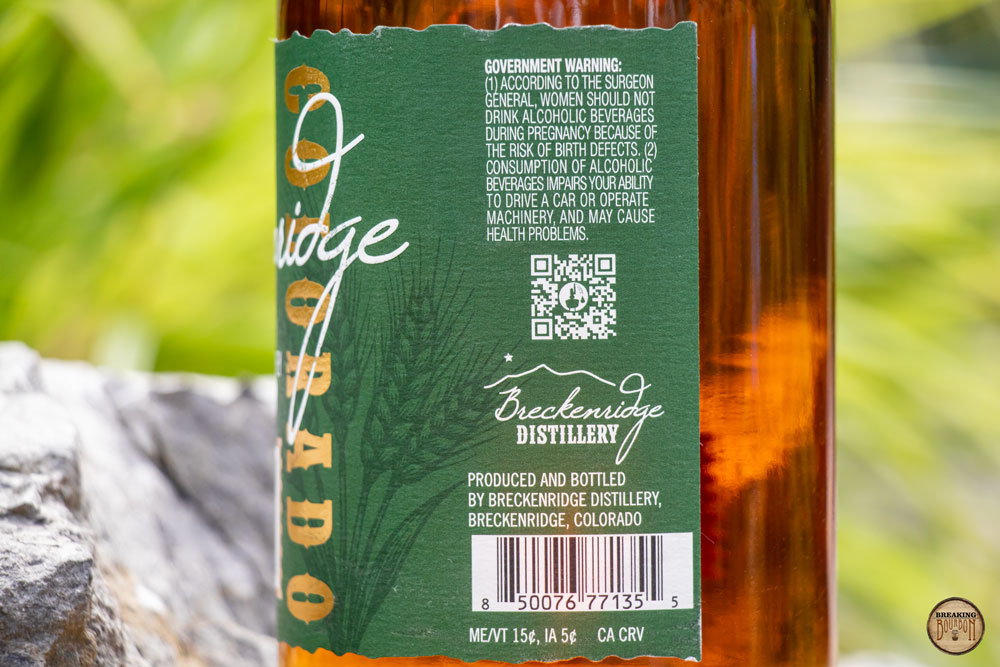
Distillery: Breckenridge Distillery
Release Date: July 2026
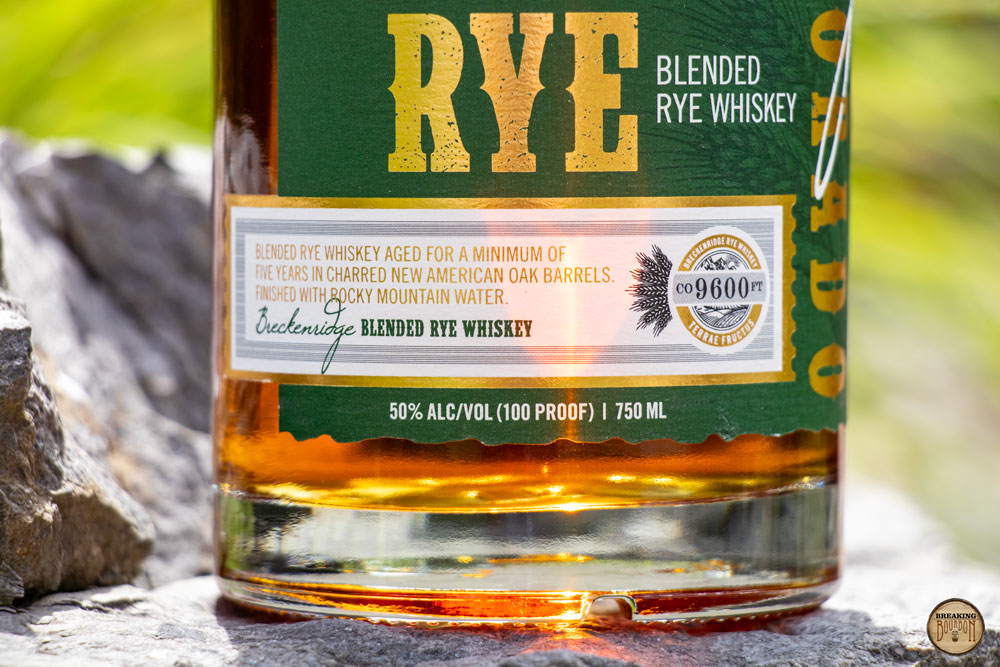
Proof: 100
Age: 5 Years
Mashbill: 80% Rye, 14% Corn, 6% Malted Barley
Color: Dark Gold
SRP: $40 / 750 mL (2026)
Orange cream | Spearmint | Dark chocolate | Honey | Rye grain
Orange | Lemon | Apricot | Nectarine
Cinnamon | Marmalade | Apricot | Rye spice | Cherry | Light lemon | Toasted oak
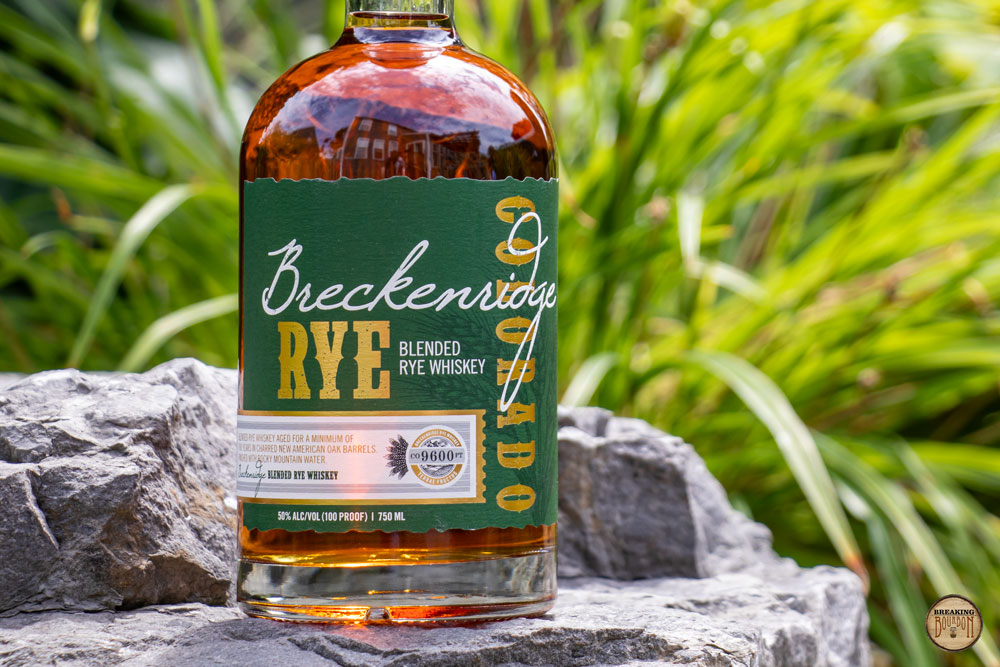
Breckenridge Rye marks the distillery’s first foray into rye whiskey, using the flexibility of a blended rye whiskey classification to create a rye/bourbon blend resulting in a surprisingly enjoyable and refreshing pour.
Dubbed “World’s Highest Distillery” at 9,600 feet above sea level and founded in 2008, you might be surprised to learn that up until this release, Breckenridge Distillery has never released a rye whiskey. Curiously, the company chose an interesting path to create its first rye.
Labeled “Blended rye whiskey,” it opens up a lot of creative freedom for Breckenridge Distillery in the creation of this rye. The blend must contain at least 51% straight rye whiskey on a proof gallon basis, and that rye must be aged at least 2 years (a requirement for all straight ryes). The more interesting part comes next: the remaining part of the blend may include neutral grain spirits and other permitted components (i.e., coloring, flavoring, and blending materials unless the label states otherwise (which it doesn’t)).
Now, before the whiskey collective scoffs at this, Breckenridge disclosed to us that the mashbill is 80% rye, 14% corn, 6% malted barley. Though it doesn’t contain neutral grain spirits, this rye tastes like it has something else going on with it under the hood. It’s not necessarily good or bad, but different. Editor's note: Since posting this review, Breckenridge has clarified that this release contains a blend straight rye with a portion of their high-rye bourbon. "Since the final blend contains both rye whiskey and bourbon, “Blended Rye Whiskey” is the appropriate classification. The bourbon is intentionally used to complement the rye and create the flavor profile we were looking for."
The beginning of the palate hits a particularly sweet spot. It’s rich and creamy, zeroing in on citrus and stone fruit. As that fades, it enters a more uncommon, near nondescript flavor zone. At this point, the whiskey lacks strong flavor characteristics, coming forward without much interaction on the palate. The finish begins with cinnamon, but like the nose and palate, offers an orange note in the form of rich orange-tang marmalade and apricot. Tempered rye spice follows with cherry, light lemon, and toasted oak rounding out the sip.
Despite all of this, Breckenridge Rye comes out on top with the rye’s overall sip surprisingly enjoyable, and its price point further reflects the company’s eagerness to brute-force itself into a market they have neglected for far too long. The sip works well with the flavors it offers, though it can be tame, and those flavors do tend to drop off quickly, it's not as big of a determinant to the overall sip as you’d expect it to be. This isn’t a rye that goes big with spice, or is overly fruity either. It settles into a refreshing pour that feels summery due to its many citrus notes. Though some may not prefer a rye-bourbon blend, they might be surprised by how enjoyable it is if they approach it with an open mind.
Editor's note: This review has been updated with new information from Breckenridge about how it was made.







.png)